
The gala was a sea of black ties, shimmering silk, and forced laughter. The air was thick with the scent of lilies and desperation. This was Lila’s natural habitat. She moved through the crowd like a predator, her eyes always tracking the next "useful" person to talk to. I was towed along behind her, a silent accessory to her ambition.
I watched her "work" the room. It was fascinating and horrifying. She would adapt her personality like a chameleon—to the VP, she was the disciplined protégé; to the creative directors, she was the edgy visionary. And to me? I was the invisible man.
About an hour into the event, we were approached by the firm’s Managing Director, a woman named Eleanor who had the reputation of being a human lie detector. She looked at Lila, then her gaze shifted to me with a sharp, inquisitive glint.
“Lila, darling. You’ve been doing excellent work,” Eleanor said, her voice like dry sherry. “And who is your companion? You’ve kept him quite hidden.”
I felt Lila’s hand tighten on my arm, a subtle warning not to speak. “This is Evan,” Lila said, her voice smooth and devoid of any warmth. “He’s… someone I’ve been seeing. Nothing too serious, Eleanor. You know how it is—focusing on the career first.”
Eleanor raised an eyebrow, looking directly at me. “Nothing serious? Two years is quite a long time for ‘nothing serious,’ isn't it, Evan?”
Lila froze. She hadn't expected Eleanor to know how long we’d been together. Apparently, Lila’s "brand management" hadn't been as airtight as she thought.
“Oh, you know how time flies,” Lila laughed nervously, trying to pull me away. “Evan’s just a great friend who helps out when things get busy.”
A friend who helps out.
I stood there, feeling the weight of the two years I’d invested. I thought about the time I drove three hours in a snowstorm to pick her up because she’d had a panic attack. I thought about the fifteen thousand dollars I’d lent her to pay off her credit card debt so she wouldn't lose her security clearance. I thought about the "nothing serious" man who had been the only person in her life who didn't want something from her.
I looked at Eleanor, then at Lila. The "analyst" in me reached a final conclusion. The data was unanimous. There was no path to growth here.
“Lila’s right,” I said, my voice calm and clear enough to make several nearby people turn their heads. “I’m just the guy who handles the things she doesn't want to deal with. The stability, the finances, the emotional labor. But as she said, it’s nothing too serious.”
Lila’s face went from pale to a deep, embarrassed red. “Evan, stop. You’re being weird.”
“Not weird, Lila. Just… accurate,” I said. I turned back to Eleanor. “It’s been a pleasure meeting you. You have a very talented strategist on your hands. She’s excellent at knowing exactly when to discard something that’s no longer trendy.”
I didn't wait for a response. I didn't stay for the fallout. I turned and walked out of the ballroom. I could hear Lila’s muffled voice trying to spin the situation to Eleanor, but the damage was done. In a room full of people who valued integrity and "long-term vision," Lila had just been exposed as someone who viewed people as disposable assets.
I walked out of the hotel and into the cool night air. I felt like I had just lost two hundred pounds of dead weight.
I went straight to our apartment—well, her apartment now. I had the boxes already hidden in the guest closet. I spent the next three hours packing my life. I didn't leave a mess. I didn't break anything. I just removed every trace that I had ever existed in that space.
The photos on the mantel? Gone. my books on the shelves? Gone. The "emergency" cash I kept in the kitchen drawer? Gone.
By 2 AM, I was standing in the doorway of a half-empty apartment. It looked cold. It looked just like Lila’s "brand"—polished, expensive, and lonely.
I left the keys on the counter, right next to the $15,000 promissory note I had drafted and left for her to sign months ago "as a formality." I knew she’d never sign it now, but seeing it there reminded me that I was the one who had provided the "serious" foundation for her "nothing serious" life.
I moved into my new place that night. It was small, but it was mine. I blocked her on everything. I didn't want the apologies. I didn't want the gaslighting. I didn't want to hear her tell me I was "overreacting" for the thousandth time.
But Lila wasn't done with me. She couldn't let the narrative end with her looking like the villain. Two days later, my phone buzzed with an email—the only way she could still reach me.
“Evan, you humiliated me in front of my boss. Eleanor thinks I’m a sociopath now. You ruined my reputation over a simple misunderstanding. I hope you’re happy. By the way, the landlord says you didn't sign the lease. We have to talk. I can’t afford this place on my own and you know it.”
I didn't reply. I sat in my new living room, drinking a beer and watching the sunset. I felt a profound sense of peace. She was finally realizing that "temporary" meant I didn't have to stick around to fix the problems she’d created.
But then, a week later, I got a call from an old mutual friend, Sarah. “Evan, have you seen what Lila’s posting?” Sarah asked, her voice tight with worry. “She’s telling everyone you’re a domestic abuser. She’s saying you left her in the middle of the night after stealing her money and that you’ve been 'financially controlling' her for years. Evan… people are starting to believe her.”
The peace I had felt vanished. Lila was double-downing on the "temporary" label, but this time, she was trying to make sure my reputation was the one that was permanently destroyed. And I realized that a quiet exit wasn't going to be enough. If she wanted to play a high-stakes game of brand management, I was about to show her exactly how a financial analyst handles a hostile takeover.
![[FULL STORY] At a family barbecue, she loudly teased, "If we ever tie the knot, he'd be fortunate if I stay…](https://social.greatgames.info/storage/thumbnails/1777345504_D3.png)
![[FULL STORY] Butt Dial Confession Exposed My Girlfriend – I Was Never Her First Choice | A Betrayal Story](https://social.greatgames.info/storage/thumbnails/1776416293_610fd6cd-b865-4cca-8e07-b81d66a6581f.png)
![[FULL STORY] She Screamed I Was Suffocating Her At 3 AM So I Gave Her The Ultimate Space By Vanishing Forever.](https://social.greatgames.info/storage/thumbnails/1777366713_22.png)
![[FULL STORY] My girlfriend’s friends had set up a clever little act—she was supposed to pretend she was walking](https://social.greatgames.info/storage/thumbnails/1777001911_r17.png)
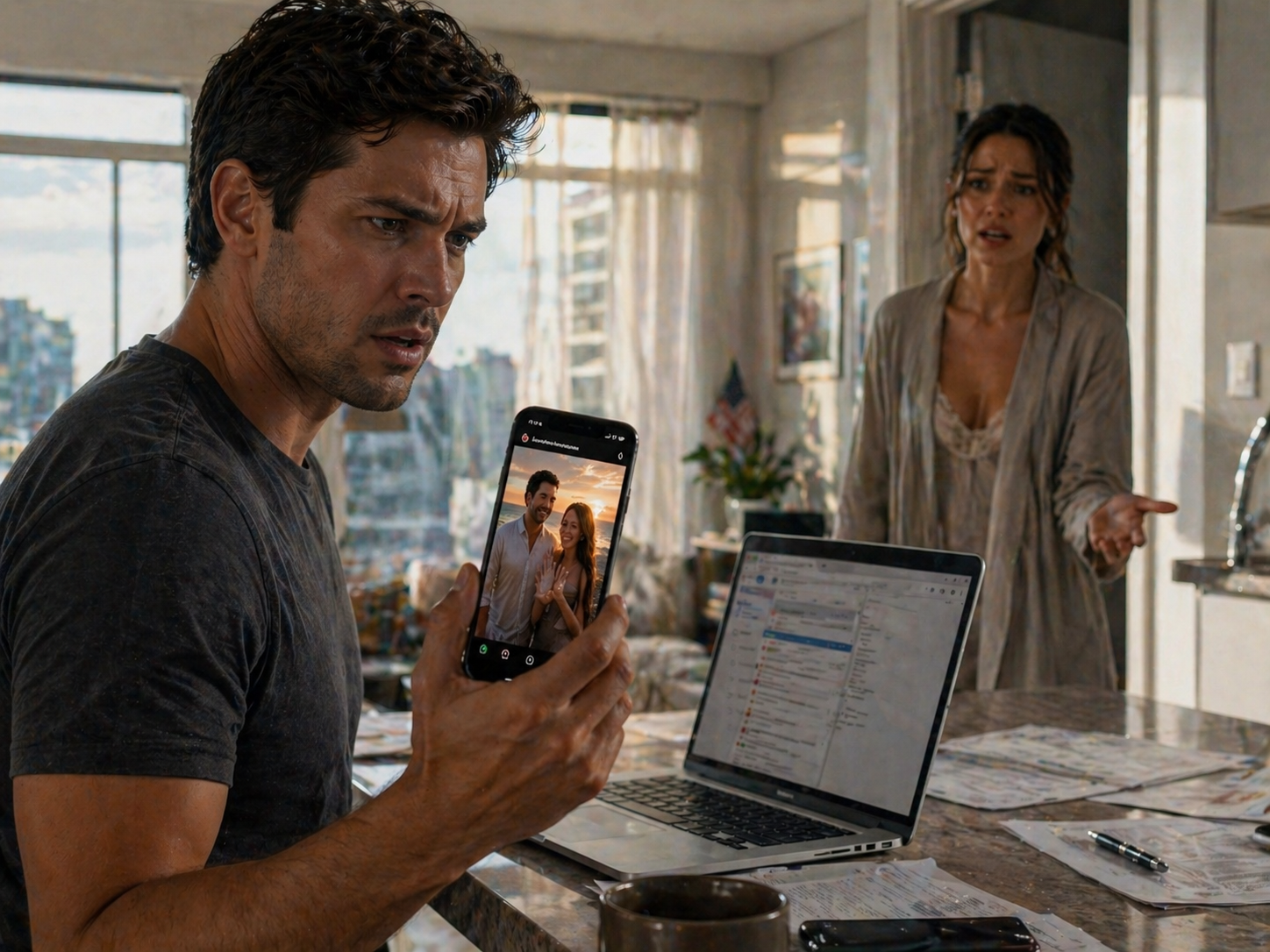
![[FULL STORY] My Girlfriend Texted: “I Need Space. Don’t Contact Me.” I Said “Okay.”](https://social.greatgames.info/storage/thumbnails/1776661079_650e6df4-e36d-474b-bf01-90e928aa48c6.png)